
Featured
Why in this time of war we need diplomacy more than ever
ZoomWe are living in parlous times. Across the globe, there are some 32 countries embroiled in armed conflict. What's the role of diplomacy?
Free

We are living in parlous times. Across the globe, there are some 32 countries embroiled in armed conflict. What's the role of diplomacy?

Recently, a global de-dollarization campaign seems to be gaining momentum. Does it suggest the beginning of the collapse of the US dollar hegemony? The Oxford Global Society invites leading experts/observers from the world to discuss and examine this significant development and its implications.

This online seminar brings together leading professionals from various countries/regions (e.g., the US, China, Europe) and from different sectors to better understand the interactions between geopolitics and the implementation of AI governance.
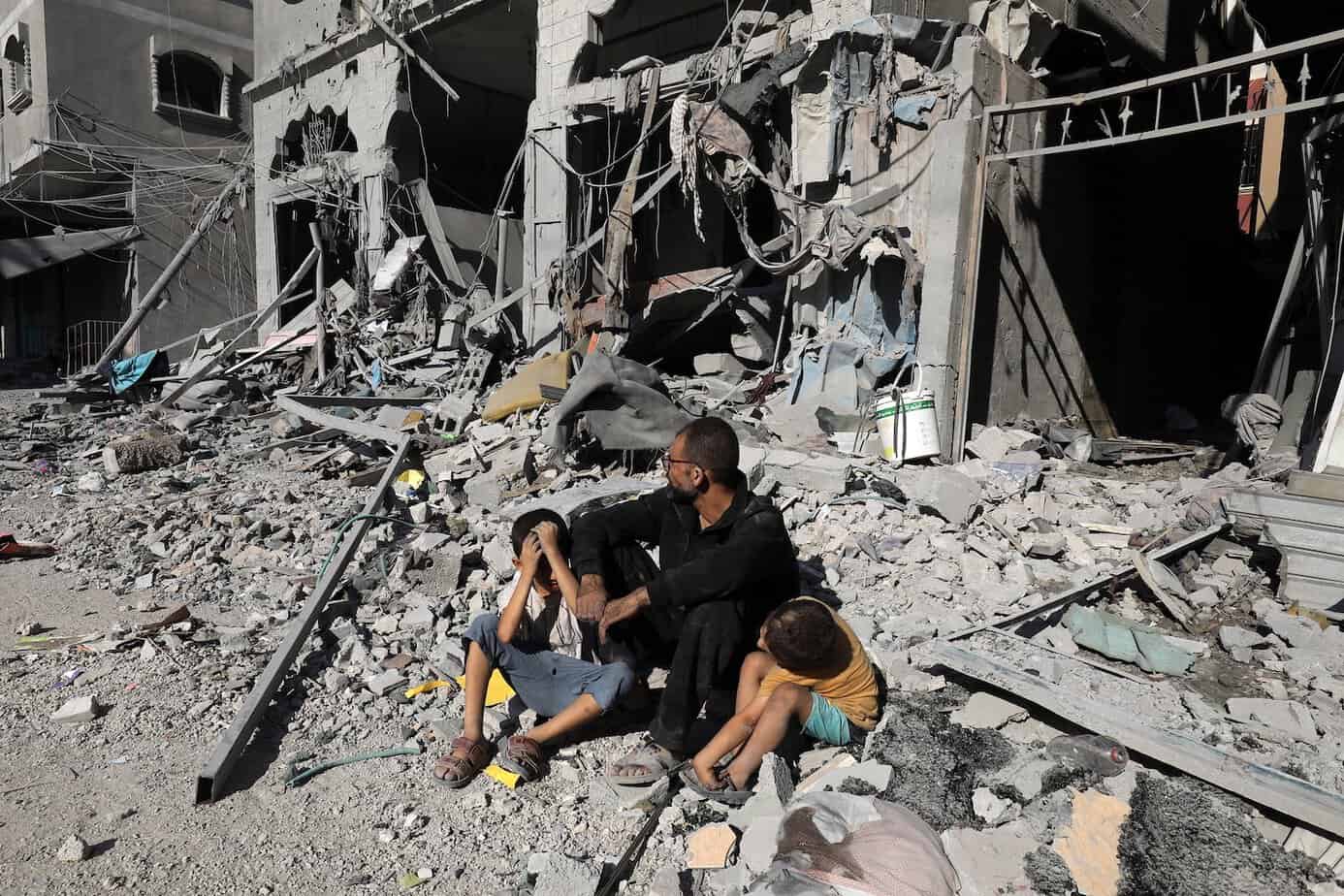
The ongoing conflicts in Ukraine and Gaza have served not only to sharpen geopolitical tensions, they have seemingly also rendered ineffective a number of diplomatic methods for ending conflicts around the world. This points to the need for alternative tools for preventing and resolving conflict. ‘Private diplomacy’ has become an increasingly common approach for exploring and ‘pre-cooking’ solutions.

This Forum brings together Europe- and China-based academics, researchers, and representatives of leading or promising AI and internet companies, and other stakeholders, to examine issues of importance and common interest in the areas of AI development, governance, and research, aiming to promote dialogue, cooperation and mutual learning.
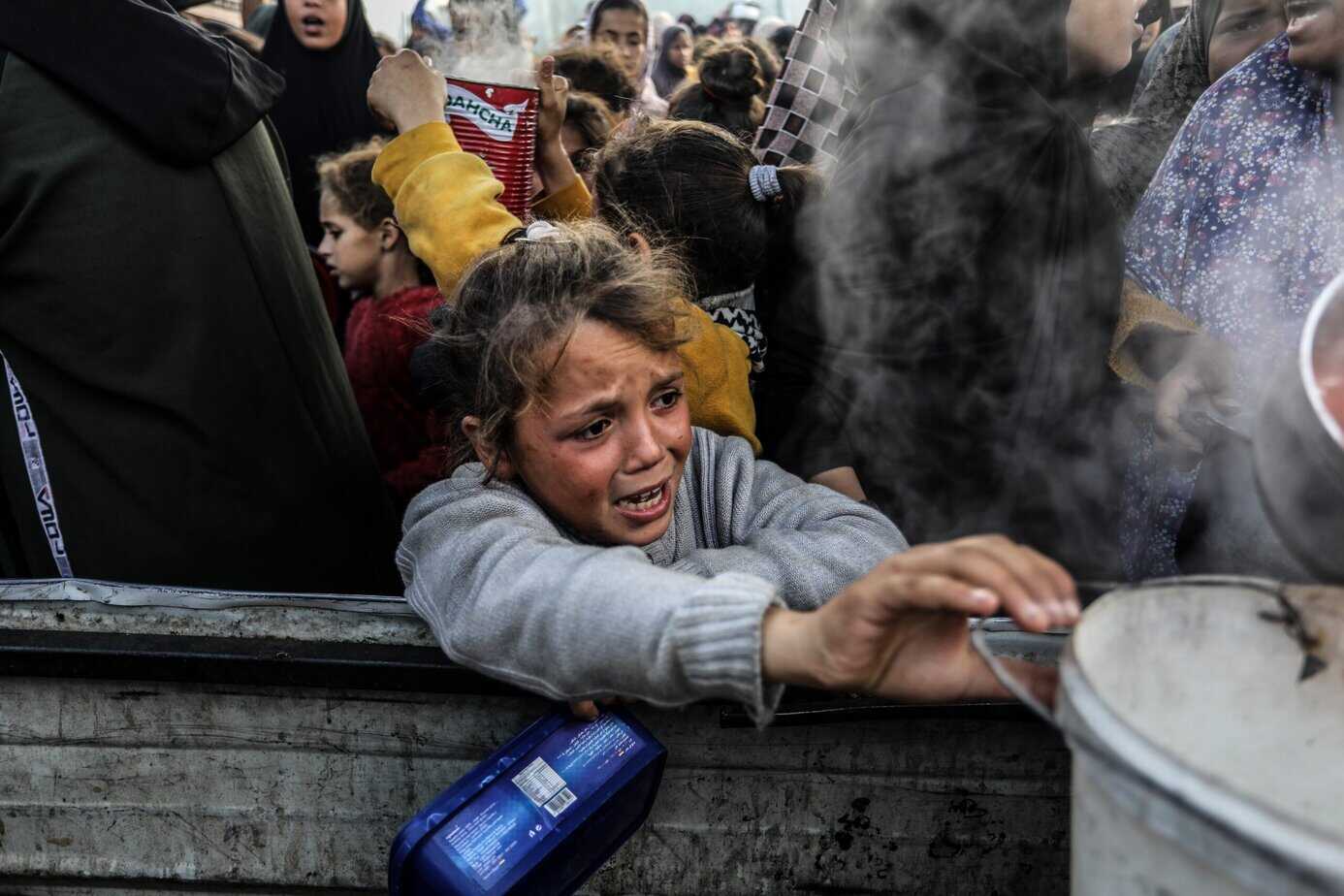
In recent decades the conflict landscape appears to have changed markedly. Geopolitics are back; there has been an uptick in intra- and inter-state conflicts; there are more and more proxy wars and armed non-state actors; and the multilateral system (including the UN) is less integral to peacemaking efforts than it once was. Even more concerning, the sheer number and scale of armed conflicts has ballooned to a level not seen for decades. What does this say about the practice of mediation – is it an outdated tool? Is it simply powerless in countering the resurgence of a ‘might makes right’ mantra? Or does it merely need rethinking and refining to make it fit for purpose?
The book (OUP, 2025) is the first systematic analysis of how the EU constitution has fared in wartime. It provides a comprehensive overview of the EU's response across a range of fields including common security and defense policy, economic policy, and energy policy. The book explores the long-term constitutional implications of the war for EU governance, and proposes legal reforms to address its shortcomings. It is a timely contribution on a topic of major social and political relevance - the war in Ukraine.