
Commentaries

We publish evidence-based opinion pieces from our Fellows and other academics, researchers and practitioners.

Chinese STEM Students in Britain: What the Media Got Wrong

Recently, The Times asked why Britain is educating China’s scientists. In this response, Michael Jinghan Zeng challenges the prejudices and misconceptions underpinning the question while reflecting on the direction of globalised education in STEM and beyond.

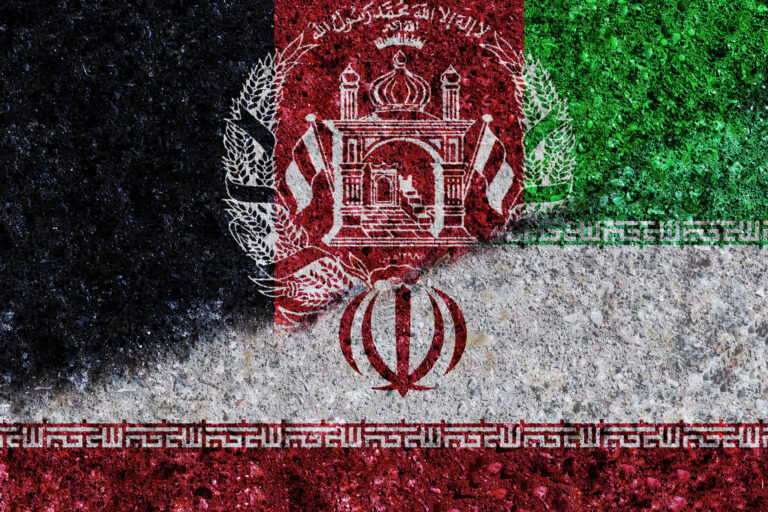
If Iran Shakes, Will Afghanistan Follow?

The effects of recent unrest in Iran have extended well beyond the country’s borders, and any political rupture in Iran would carry significant regional and international consequences. In this commentary, Natasha Matloob examines the political, economic and ideological implications of Iranian instability for neighbouring Afghanistan.

China-U.S.-Europe relations

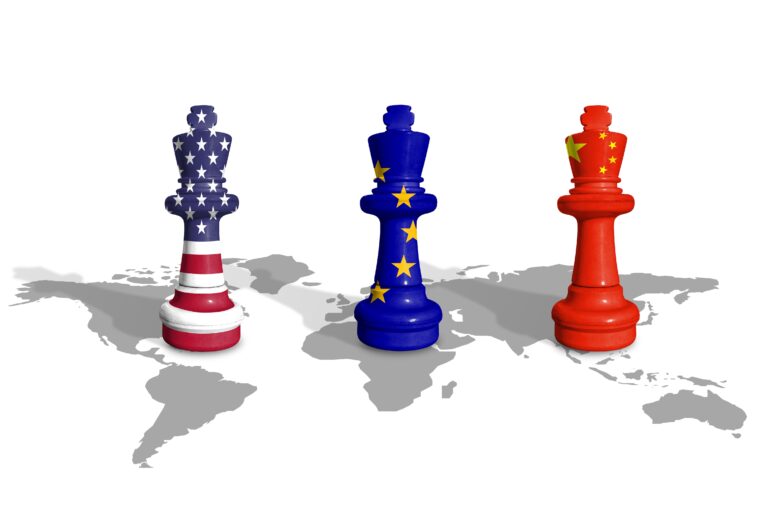
The Future of China-Europe Cooperation amid the evolving dynamics of China-U.S.-Europe Relations

Europe’s understanding of China remains overly ideological, lacking a deep and rational grasp of China’s social transformation, governance logic, and evolving international role. This cognitive bias has undermined the pragmatism of certain European policies toward China. The future trajectory of China–Europe relations will depend on three key dynamics: Europe’s internal political evolution, the spillover effects of U.S. policies, and China’s strategic adaptability.

Georgia tries to balancing its relations between the West, Russia and China

Balancing the West, Russia and China: Georgia Under Pressure amid the Russia-Ukraine War

Tiny Georgia is a crucible of East-West and regional tensions. In the months after Russia’s invasion of Ukraine the US and European governments pressed Georgia to open a second front against Russia. When the government refused, western sources denigrated it as “pro Russia”, and several leaders became subject to sanctions. What lay behind the western pressure and the Georgian government’s response?

World Bank reform

Could Trump and Xi Break the Deadlock in the World Bank?

Under President Trump, the US rejects responsibility for leading multilateral coalitions. Jakob Vestergaard and Robert H. Wade argue that dealmaker-in-chief may derive considerable satisfaction in breaking deadlocks that have prevailed in World Bank for decades, which would actually strengthen multilateralism.

world-bank-reform-puppets-on-strings

“Puppet on a string”? The attempts at World Bank governance reform

Many critics of the World Bank, especially Americans in government and Congress, imply it is an “empire out of (their) control”, but the authors argue that it is closer to “puppet on a string”. The World Bank remains a substantially American bank.